
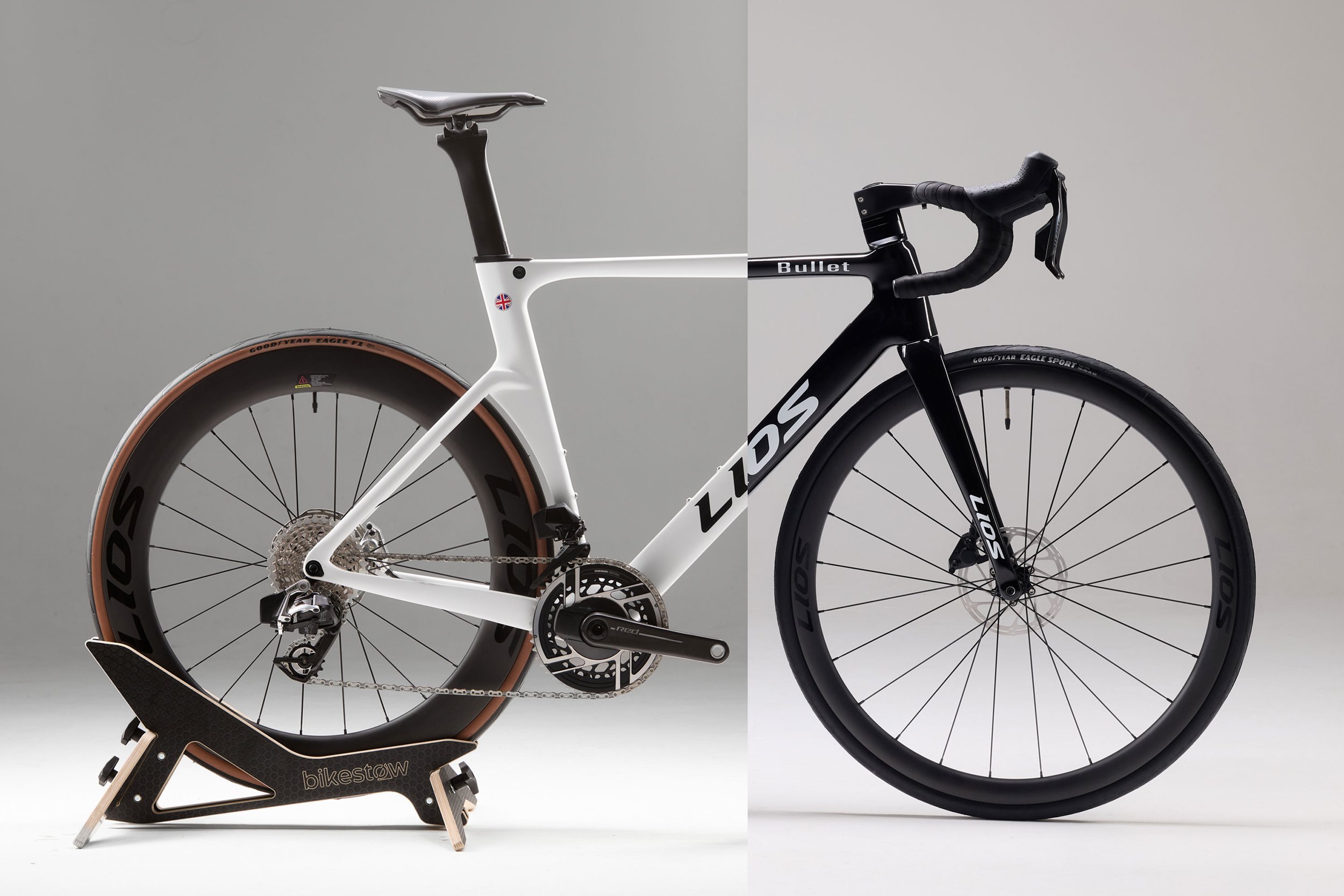
Aero versus endurance. The LIOS Exactor and Bullet 5.56 split.
Why this question matters more than ever
For riders considering a bike, the question of endurance versus aero comes up time and again. It often follows naturally from earlier decisions. Carbon or titanium. Race or comfort. Fast or forgiving.
The reality is that endurance and aero road bikes are not opposing camps so much as different tools, designed for different days, different routes and different priorities. Both can be quick. Both can be enjoyable. The key difference lies in how they ask the rider to sit on the bike, how they behave over time and how they fit into real-world riding.
This article looks at the difference between endurance and aero road bikes in general terms, using the LIOS Bullet 5.56 Endurance Road Bike and the LIOS Exactor Aero Road Bike as examples. The aim is not to decide which is better, but to help you understand which might be better for you.
Endurance and aero road bikes at a glance
At a high level, the distinction is straightforward. An aero road bike is designed to reduce aerodynamic drag and feel as fast as possible under power. Tube shapes are deeper. Cockpits are lower. The rider is encouraged into a more aggressive position.
An endurance road bike is designed to support longer rides, mixed surfaces and a wider range of riding styles. Geometry is more relaxed. Comfort is prioritised without sacrificing efficiency.
Where things become less clear is in real world riding. Modern endurance bikes are far from slow. Modern aero bikes are more rideable than ever. The lines have blurred, which is why the decision feels harder than it used to.
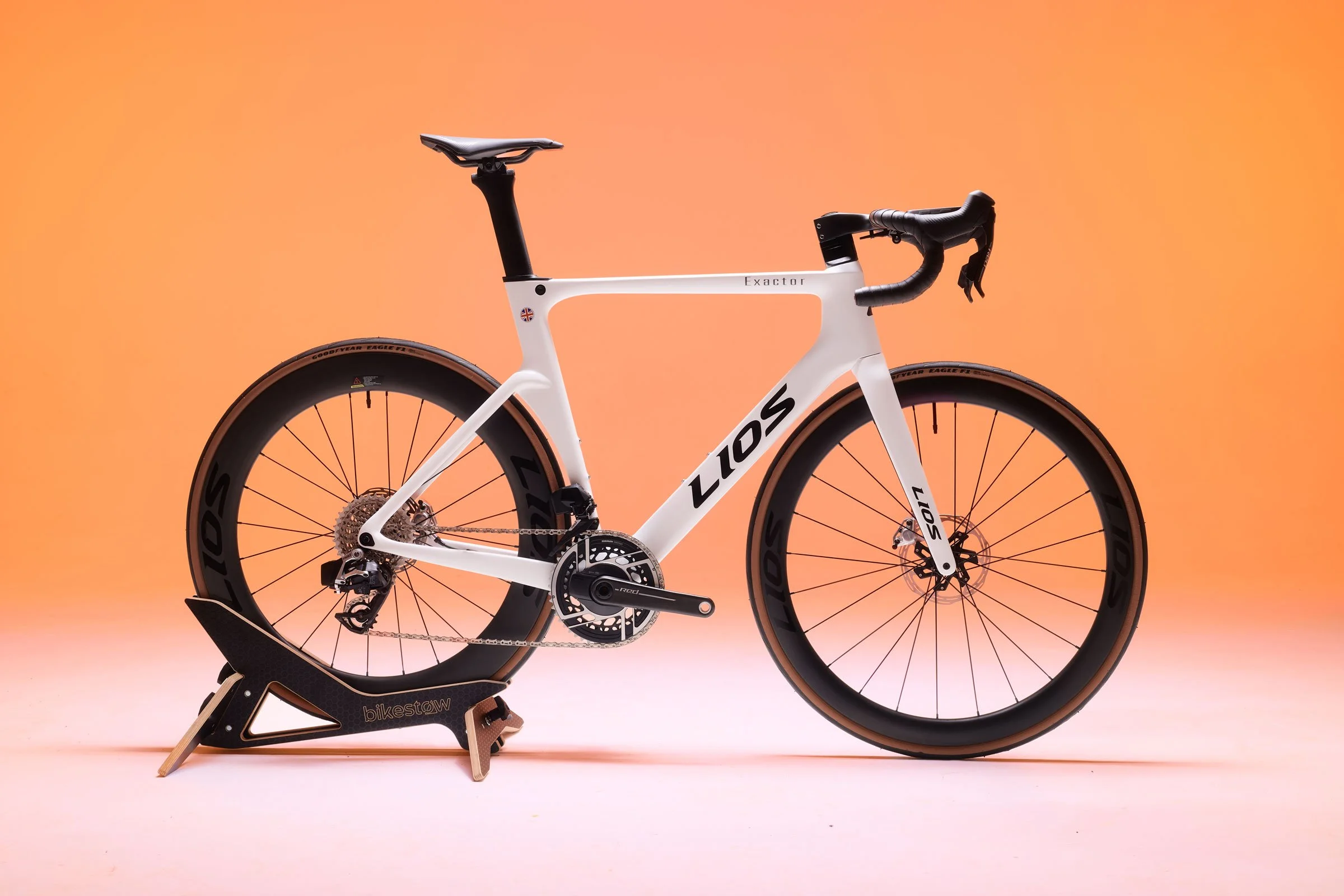
LIOS Exactor Aero Road Bike
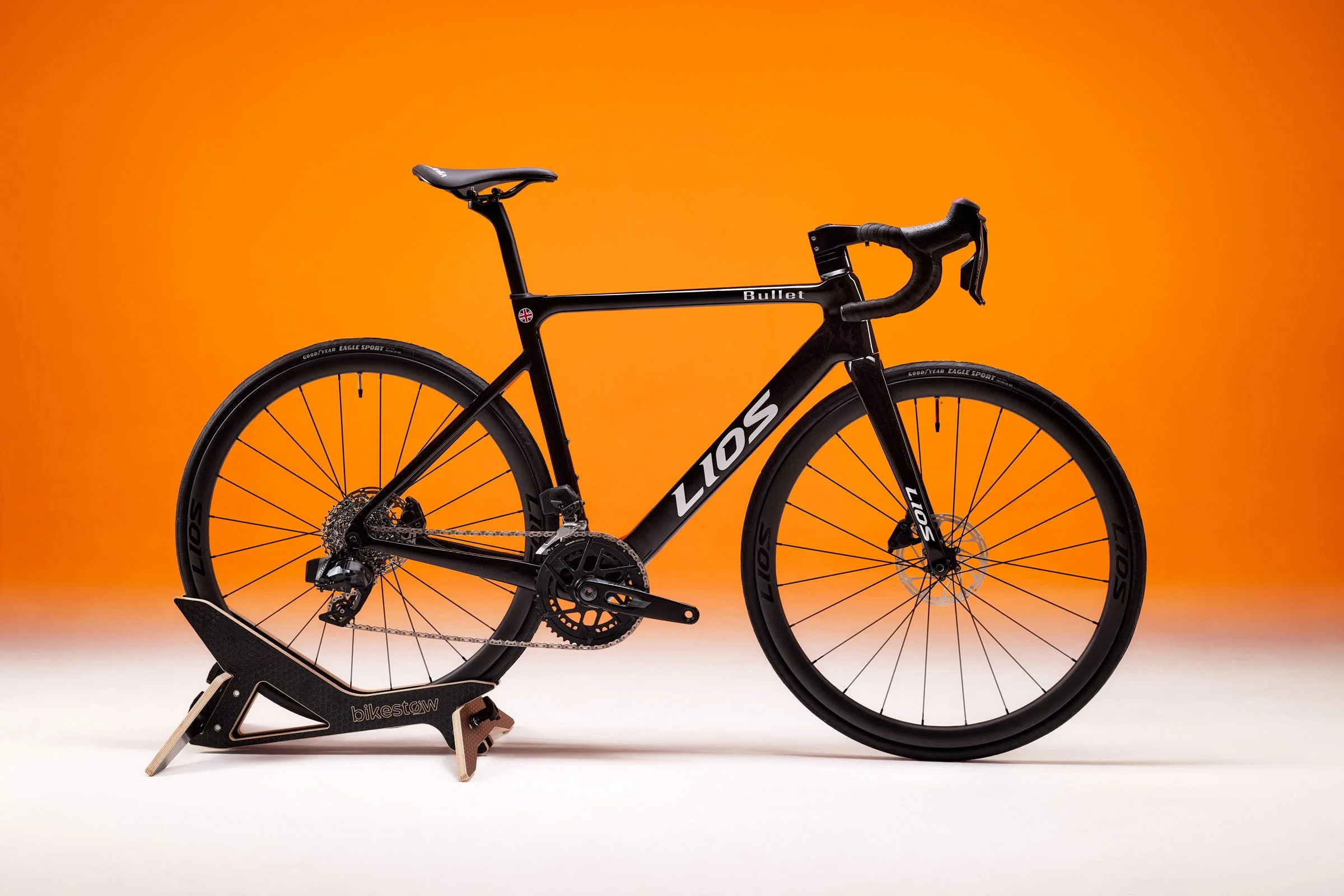
Lios Bullet 5.56 Endurance Road Bike
Aero road bikes explained
Aero road bikes exist for one clear reason. At higher speeds, aerodynamic drag is the dominant force holding a rider back. Reducing that drag allows the same power to produce more speed.
What defines an aero road bike
Aero frames typically feature deep tube profiles, truncated airfoil shaping, narrow frontal areas and integrated cockpits. They are built to feel stiff and responsive under load.
The LIOS Exactor fits squarely into this category. It is designed to feel fast the moment you push on the pedals. Power transfer is direct. Acceleration feels immediate. The bike responds quickly to changes in effort.
The reality of aero gains
Aero gains are speed dependent. They matter most when you are riding quickly and consistently. Rider position often has a greater impact on drag than the frame itself.
A highly aerodynamic frame ridden in a poor position will be slower than a less aggressive bike ridden well. Aero bikes can also feel less forgiving on poor road surfaces, particularly over long distances, due to the frame stiffness.
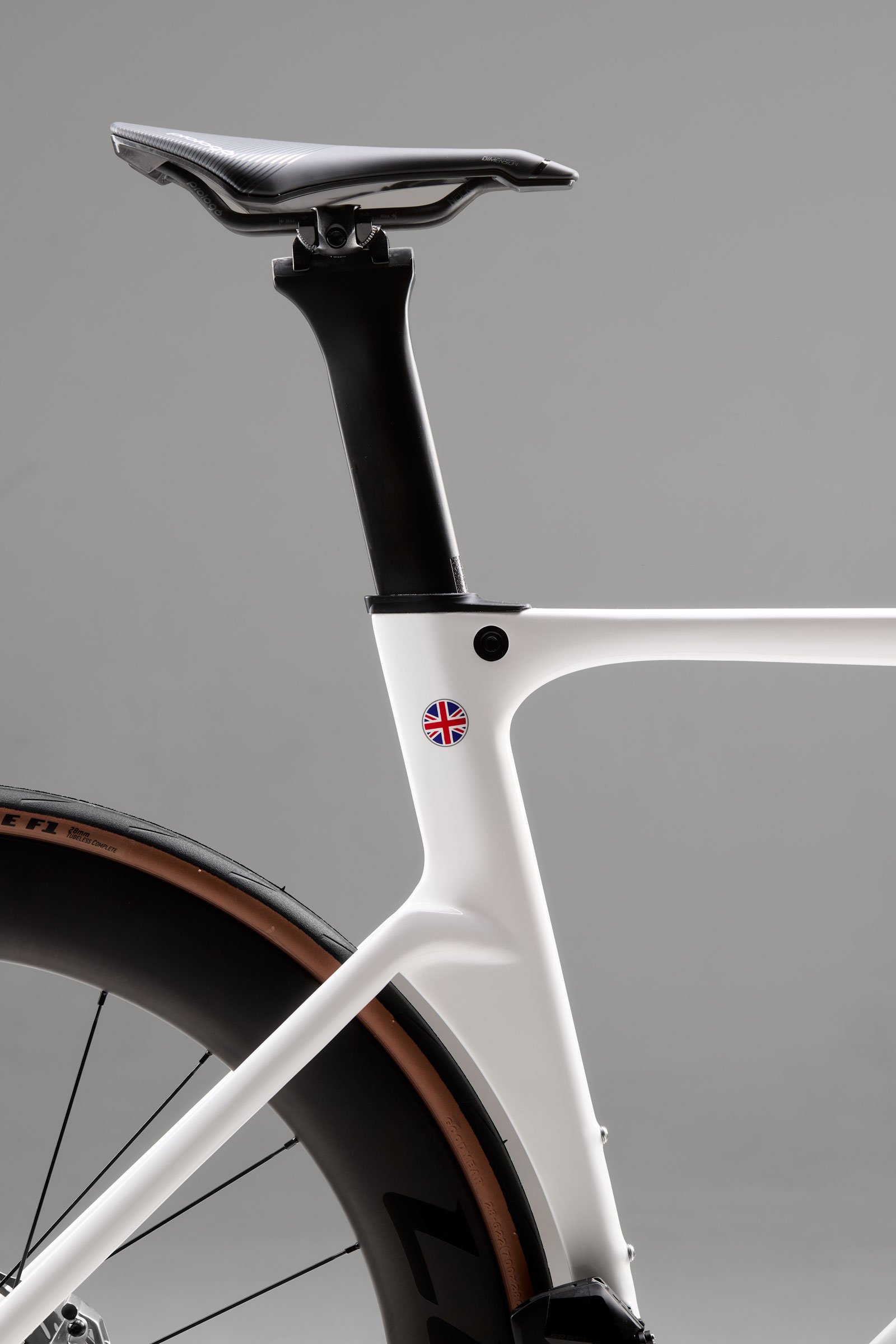
Aero focused frame shaping of the top tube, seat tube and seat stay interface on the LIOS Exactor.
Endurance road bikes explained
Endurance road bikes are often misunderstood. Comfort is sometimes equated with slowness. In practice, endurance bikes can be very fast in the real world.
What defines an endurance road bike
Endurance bikes typically feature taller front ends, shorter reach, more stable handling and greater tyre clearance. The design focus is on reducing fatigue while maintaining efficiency.
The LIOS Bullet 5.56 is designed as a true all rounder. It is the bike many riders choose when they want one bike for everything. Training. Charity rides. Sunday socials. Long days where enjoyment matters as much as speed.
Why endurance does not mean slow
Comfort allows riders to hold consistent power for longer. A more relaxed posture reduces strain on the back, neck and shoulders. Over distance, this often results in higher average speeds than a more aggressive setup that becomes uncomfortable.
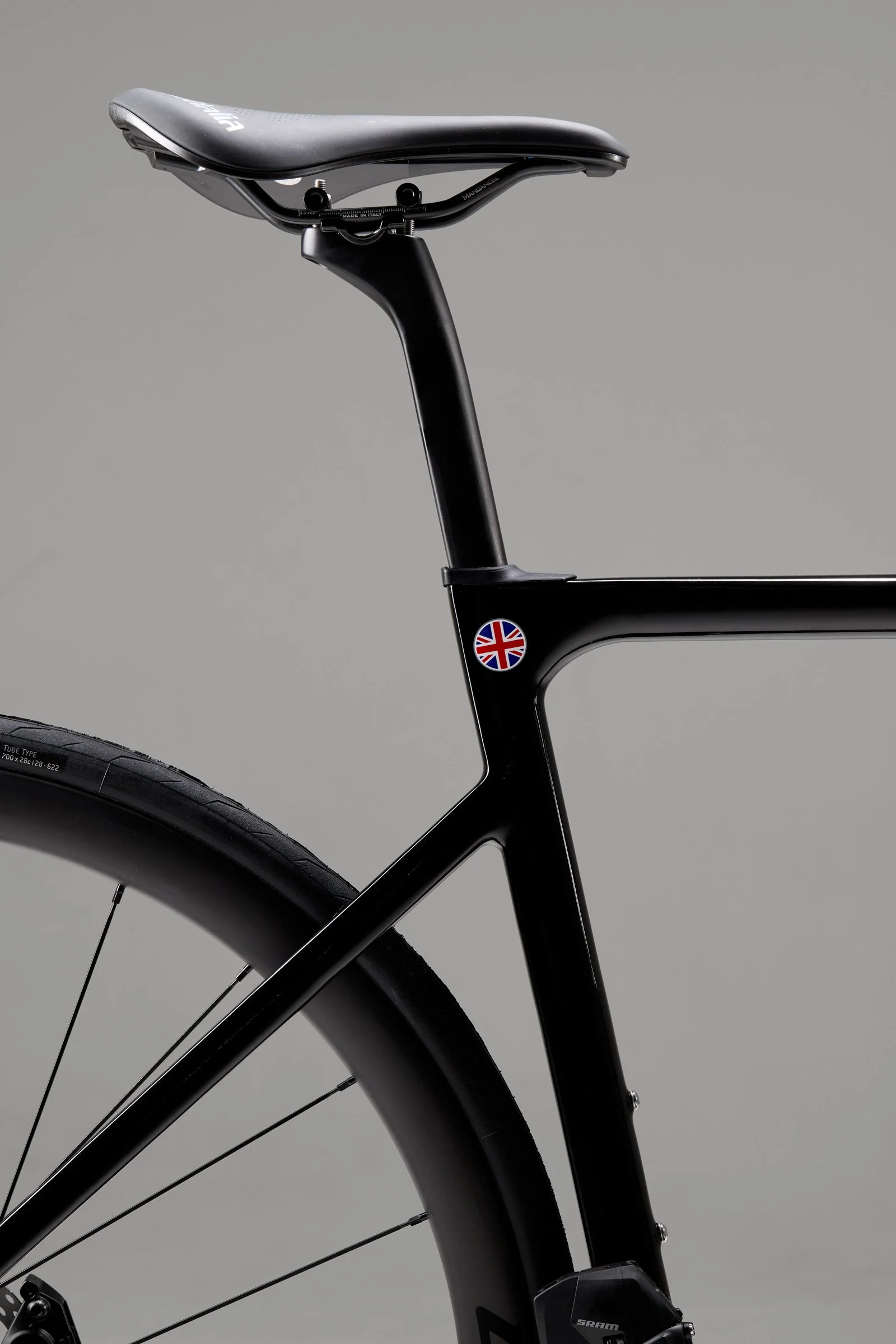
Endurance focused top tube and seat tube design details on the LIOS Bullet 5.56 built for comfort and versatility.
Geometry, posture and rider fatigue
Geometry is where the difference between aero and endurance bikes becomes most tangible.
Aero bikes typically have lower stack and longer reach, placing the rider in a lower, more stretched position. When held comfortably, this can be very efficient. When forced, it accelerates fatigue.
Endurance bikes increase stack and reduce reach. The rider sits slightly higher and more centred. Weight distribution becomes more balanced and muscles operate in a more sustainable range.
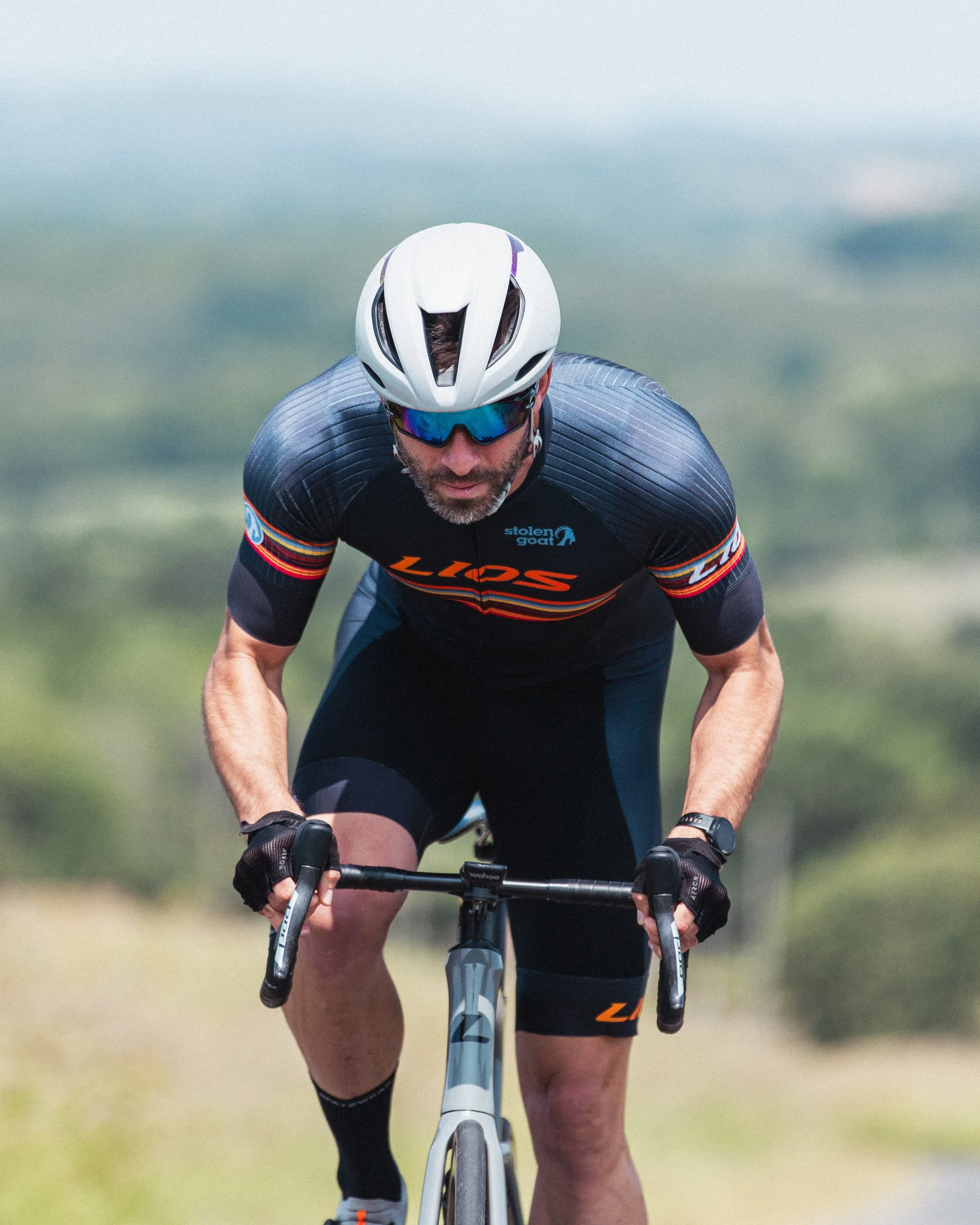
Rider posture plays a big part in aero gains.
How LIOS approaches endurance and aero
At LIOS, endurance and aero bikes are approached as different solutions to different problems.
Bullet 5.56 Endurance Road Bike
The Bullet 5.56 is built for riders who want one bike to do it all. It is forgiving without being dull and stable without being slow. It suits long rides, mixed terrain and days where enjoyment matters as much as pace.
Exactor Aero Road Bike
The Exactor is for riders who want their bike to feel and look fast. It is responsive, direct and purposeful, designed for racing, events and riders who enjoy strong power transfer.
Real world speed versus perceived speed
Aero bikes often feel faster because of their responsiveness and feedback. Endurance bikes can feel calmer, even when average speeds are similar or higher over longer rides.
Confidence, comfort and rhythm play a major role in sustained speed. This is why two riders can choose different bikes for the same route and both be right.
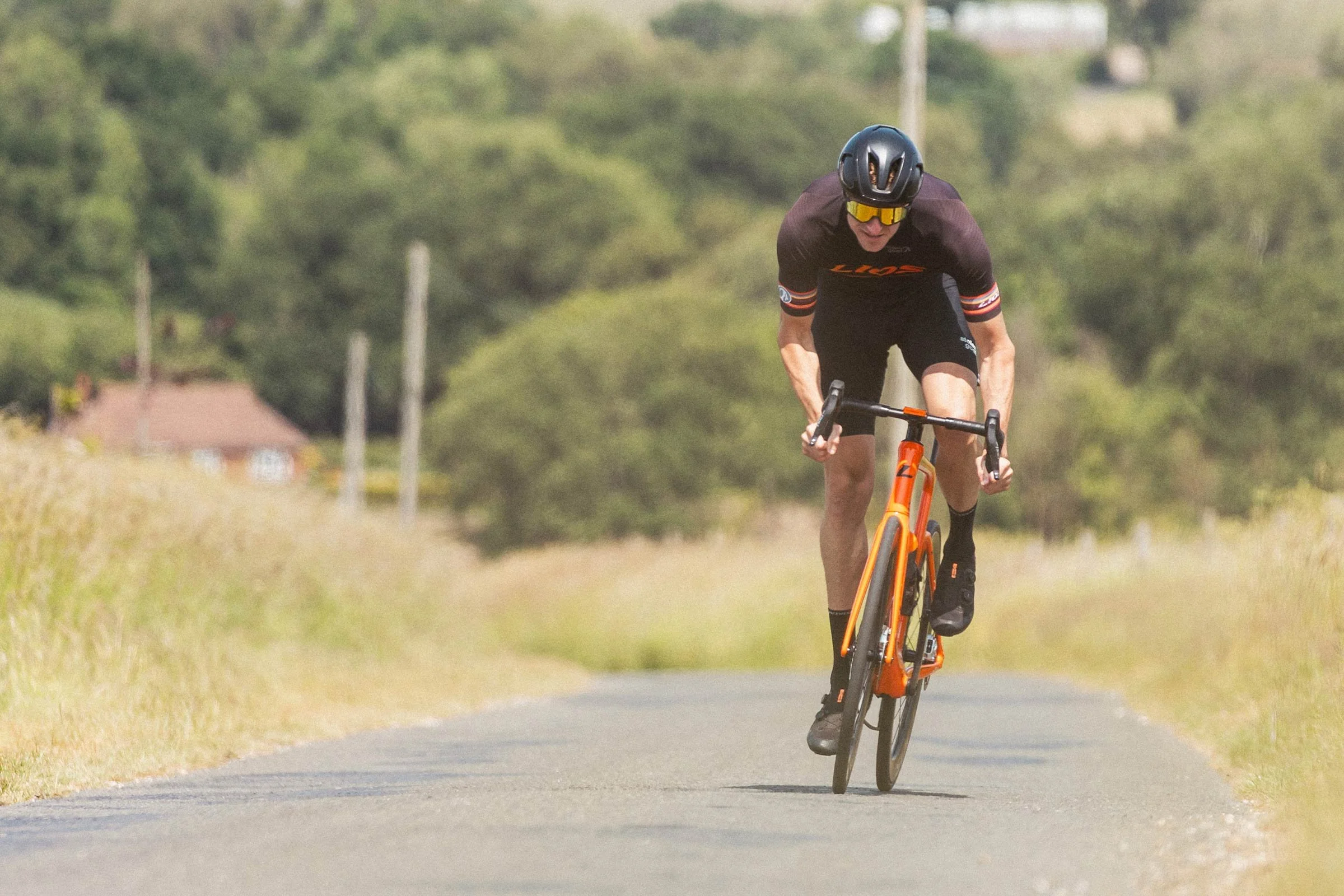
Real world speed comes from comfort, confidence and consistency, as much as aerodynamics.
Who an aero road bike is best for
An aero road bike is well suited to riders who prioritise speed and responsiveness, race or take part in fast events, are comfortable holding aggressive positions and value aerodynamic design and aesthetics.
Who an endurance road bike is best for
An endurance road bike suits riders who want one bike for all occasions, ride long distances regularly, value comfort and stability and are reassessing priorities as their riding evolves.
A personal perspective
I’m fortunate to have access to both endurance and aero bikes. Some days call for comfort and versatility. Other days suit focus and speed. The mistake is assuming one approach should suit everyone. Riding is personal and so is bike choice.
Choosing the right road bike for you

LIOS Bullet 5.56 endurance bike leading out a LIOS Exactor aero bike!
The difference between an endurance and aero road bike is not about better or worse. It is about intent. Understanding how you ride, what you enjoy and what you want your bike to support matters more than following trends.
This article completes a three part series exploring titanium versus carbon, endurance versus aero and the thinking behind different bike designs.
Frequently asked questions
What is the difference between an endurance and aero road bike?
Endurance bikes prioritise comfort and stability. Aero bikes prioritise reduced drag and responsiveness.
Are aero bikes faster than endurance bikes?
At higher speeds and shorter efforts, often yes. Over longer rides, comfort can make endurance bikes just as quick.
Are endurance bikes slow?
No. Many endurance bikes are very fast in real world riding.
Which road bike is more comfortable?
Endurance bikes are generally more comfortable due to geometry and design.
Should I buy an aero or endurance road bike?
It depends on your riding style, goals, aesthetics and comfort preferences.
